
The Alchemy of Clay: Portugal’s Earthen Heritage
Discover the soul of Portugal through its ancient pottery traditions. ZION Creative Artisans explores how earthen heritage shapes our modern luxury journeys.
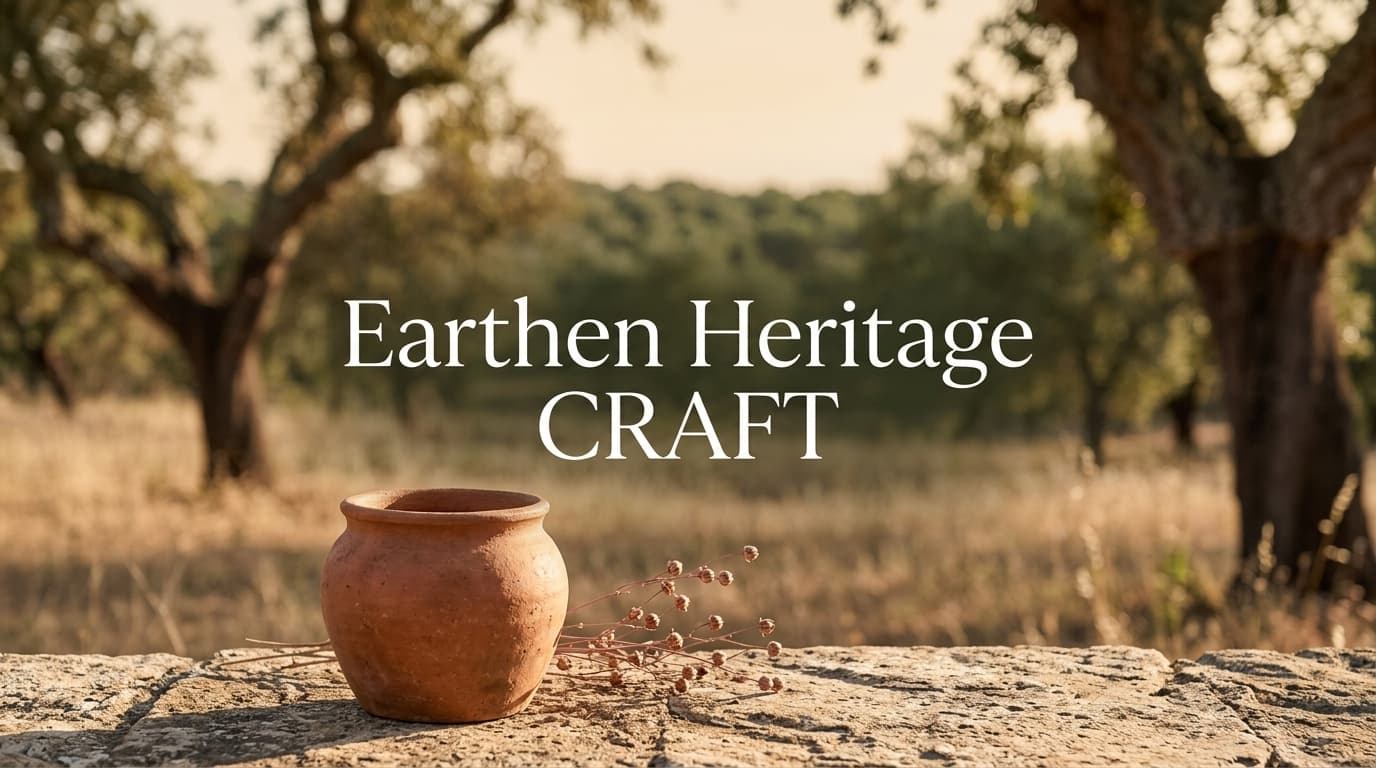
The tactile connection between human hands and the earth remains one of the most profound expressions of cultural identity. Portuguese ceramics is a centuries-old tradition that transforms raw clay into functional art, reflecting the unique geological and social history of the Iberian Peninsula. According to the World Crafts Council (2025), regions that integrate traditional ceramic practices into modern luxury tourism see a 22% increase in visitor engagement with local cultural heritage.
At ZION Creative Artisans, we believe that true luxury lies in the preservation of these slow, deliberate processes. By engaging with The Artisans who keep these kilns burning, travellers can move beyond the surface of a destination to touch the very soil that defines it.
What defines the soul of Portuguese ceramics?
Portuguese ceramics are defined by a marriage of utility and aesthetic storytelling, deeply rooted in the specific mineral composition of the regional clay. Unlike mass-produced alternatives, these pieces carry the thermal memory of the kiln and the unique fingerprints of the potter, creating a tangible link to the past.
The role of regional geology
Every region in Portugal offers a distinct clay profile, from the rich, iron-heavy red earths of the south to the lighter, kaolin-rich deposits found in the north. This geological diversity has dictated the evolution of local styles, leading to the development of iconic forms that serve both domestic and ceremonial purposes.
- Alentejo: Known for large, porous storage vessels designed to keep water cool in the Mediterranean heat.
- Coimbra: Famous for its intricate, historically influenced glazed earthenware that mirrors the city’s academic and royal legacy.
- Barcelos: Celebrated for the vibrant, whimsical folk-art figures that have become symbols of Portuguese identity.
True craftsmanship is a dialogue between the maker and the material. When you hold a piece of hand-thrown pottery, you are holding a fragment of the landscape itself, refined by fire and patience.
How does clay shape the modern travel experience?
Clay serves as a bridge between the visitor and the local rhythm of life, offering a sensory experience that digital interactions cannot replicate. According to a 2024 report by the European Travel Commission, 58% of luxury travellers now prioritise 'hands-on' cultural immersion over passive sightseeing, seeking to understand the provenance of the objects they encounter.
Engaging with the process
For those who seek to deepen their connection to the land, we curate private visits that go behind the scenes of traditional workshops. These Experiences allow guests to witness the alchemy of the wheel and the firing process, turning a simple souvenir into a meaningful artifact of a journey.
The intersection of design and legacy
Modern artisans are increasingly blending ancient techniques with contemporary design, ensuring that this earthen heritage remains relevant in a globalised market. By supporting these creators, we contribute to the Sustainability of local economies and the preservation of ancestral knowledge for future generations.
The beauty of a ceramic piece is not just in its finish, but in the story of its creation. It is a testament to the endurance of human creativity in an age of disposable convenience.
Frequently asked questions
What makes Portuguese ceramics unique compared to other European styles? Portuguese ceramics are distinguished by their deep connection to local geology and the preservation of Moorish-influenced glazing techniques. The use of specific regional clays, combined with centuries-old firing methods, results in pieces that are not only functional but also carry the distinct aesthetic and historical identity of their specific village of origin.
How can I identify authentic, hand-crafted Portuguese pottery? Authentic pieces often feature slight irregularities in shape and glaze, which are hallmarks of hand-thrown production. Look for the artisan's mark or signature, and enquire about the source of the clay. Genuine workshops will always be able to explain the specific firing process and the origin of their raw materials.
Are Portuguese ceramics sustainable? Yes, traditional Portuguese ceramics are highly sustainable. Most artisans source their clay locally, reducing the carbon footprint associated with transport. Furthermore, the use of natural glazes and wood-fired or low-energy kilns aligns with circular economy principles, ensuring that the craft respects the environment while creating durable, long-lasting household items.
Can I visit a traditional pottery workshop in Portugal? Absolutely. Many traditional workshops in regions like the Alentejo and the central interior welcome visitors who wish to observe the craft. At ZION Creative Artisans, we facilitate private, respectful access to these master artisans, allowing for a deeper understanding of the techniques and the cultural significance behind their work.
What is the best way to care for hand-crafted Portuguese earthenware? Hand-crafted earthenware should be washed by hand with mild soap and warm water. Avoid sudden temperature changes to prevent thermal shock, and ensure the piece is thoroughly dried after washing. If the pottery is unglazed, it may require occasional seasoning with a light coat of food-safe oil to maintain its integrity.
Honouring the earth
As we look toward the future of travel, the value of slow, intentional craftsmanship only grows. By choosing to engage with the earthen heritage of Portugal, you are not merely observing a culture; you are participating in a legacy that has been shaped by fire and earth for generations.
We invite you to explore the depth of these traditions with us. Contact our team to begin crafting your own bespoke journey into the heart of Portugal’s artisanal soul.
About the author
