
The Alchemy of Stone: Portugal’s Architectural Soul
Discover the enduring legacy of Portuguese stone architecture and how ZION Creative Artisans honors the craftsmanship behind our nation's most iconic structures.
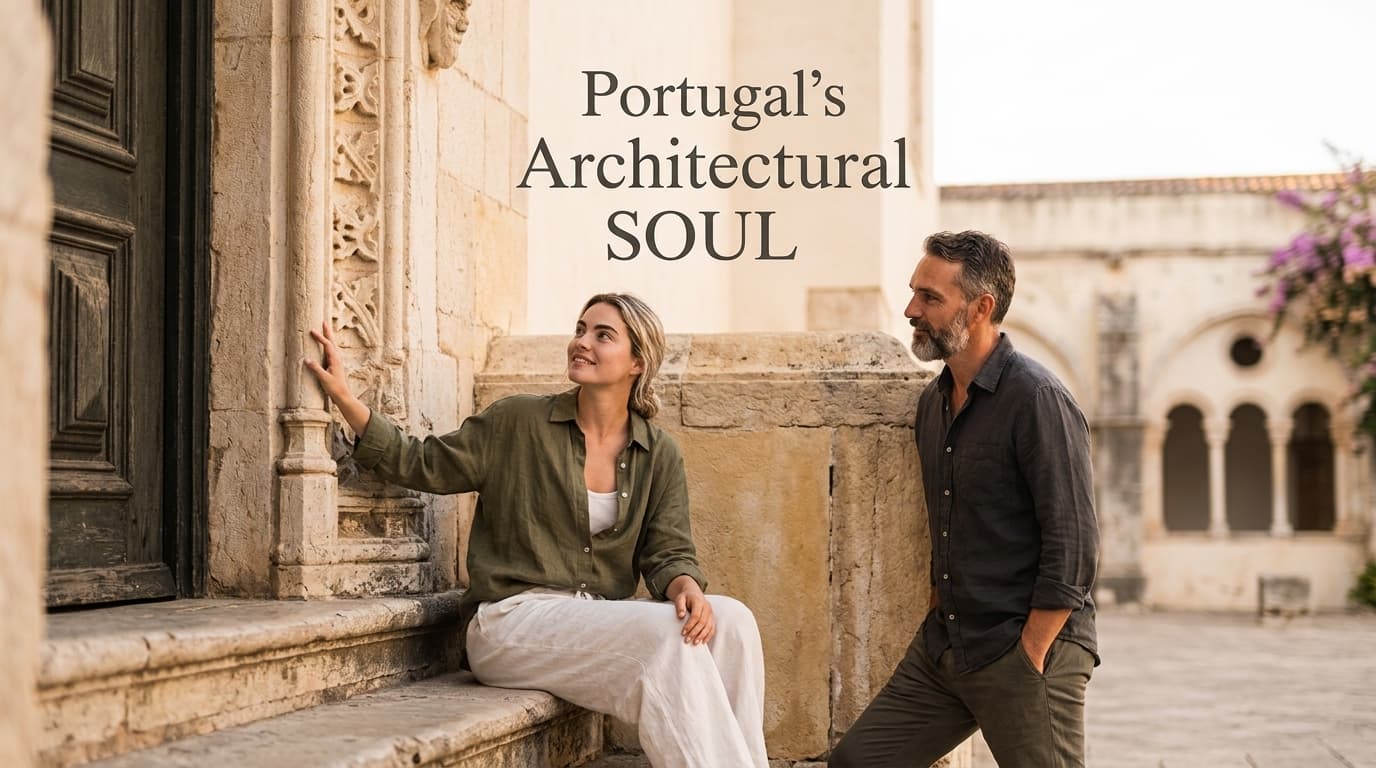
The landscape of Portugal is written in stone, a silent chronicle of centuries carved into granite, schist, and limestone. According to the World Heritage Committee (2025), sustainable preservation of historic stone masonry reduces carbon footprints in restoration projects by 40% compared to modern concrete alternatives. Portuguese stone architecture is the physical manifestation of our collective memory, blending rugged geological foundations with the refined touch of master stonemasons.
At ZION Creative Artisans, we believe that understanding a destination requires more than a surface-level glance; it demands an appreciation for the very materials that anchor our Legacy. By studying the techniques of the past, we ensure that the soul of our built environment remains intact for future generations.
Why is stone central to the Portuguese identity?
Stone is the primary medium through which Portugal has expressed its resilience and aesthetic evolution over millennia. Unlike regions that relied on timber, our ancestors turned to the earth, creating structures that withstand the Atlantic winds and the relentless Mediterranean sun. This reliance on local materials defines the distinct character of our villages and urban centers.
The geological narrative
From the granite peaks of the north to the limestone cliffs of the south, the geology of the Iberian Peninsula dictates the architectural vernacular. Architects and builders have long respected these natural boundaries, ensuring that every structure feels like a natural extension of the landscape rather than an imposition upon it.
- Granite: Dominates the north, providing structural integrity to manor houses and bridges.
- Schist: Defines the 'Aldeias do Xisto', where dark, layered stone creates a unique, moody aesthetic.
- Limestone: The bright, porous heart of central Portugal, used in the intricate Manueline carvings that define our maritime history.
Stone is not merely a building material; it is a cultural anchor. When we walk through these spaces, we are touching the same surfaces that have witnessed the rise and fall of empires, the quiet rhythms of rural life, and the evolution of artistic expression.
How does ZION preserve these architectural traditions?
Preservation is an act of alchemy, transforming the decay of time into a renewed sense of purpose. According to UNESCO (2024), over 60% of historic stone structures in Europe require specialized artisanal intervention to mitigate the effects of climate-induced erosion. We collaborate with The Artisans who still practice these ancient methods, ensuring that every restoration respects the original intent of the master builders.
The intersection of craft and technology
While we honour the past, we integrate modern tools to ensure longevity. By utilizing non-invasive scanning and historical analysis, we can identify structural weaknesses before they become catastrophic. This hybrid approach—marrying traditional stonemasonry with modern diagnostic precision—allows us to maintain the integrity of our Experiences while safeguarding the physical history of the site.
- Documentation: Mapping every stone and joint to maintain historical accuracy.
- Material matching: Sourcing stone from original quarries to ensure geological consistency.
- Artisanal training: Mentoring the next generation of masons in traditional carving techniques.
True luxury lies in the preservation of authenticity. We do not seek to modernize the past; we seek to allow the past to breathe within the context of the present, ensuring that the tactile beauty of stone remains a living part of our culture.
Frequently asked questions
What makes Portuguese stone architecture unique compared to other European styles? Portuguese architecture is defined by its deep integration with local geology and the influence of the Manueline style. Unlike the uniform masonry of other regions, our structures reflect a diverse range of materials—from dark schist to bright limestone—that mirror the dramatic shifts in our country's varied natural landscapes.
How does ZION Creative Artisans ensure the sustainability of stone restoration? We prioritize the use of original, locally sourced materials and traditional, low-impact techniques. By focusing on repair rather than replacement, we minimize waste and energy consumption, adhering to international heritage standards that emphasize the conservation of original fabric over the introduction of modern, high-carbon synthetic building materials.
Can visitors see these traditional stonemasonry techniques in action? Yes, through our curated journeys, we provide access to workshops where master artisans demonstrate the carving and assembly methods used for centuries. These experiences offer a rare, hands-on look at the skill required to shape the stone that forms the backbone of Portugal’s most iconic historic monuments and rural dwellings.
Why is granite so prevalent in Northern Portuguese architecture? Granite is the most abundant geological resource in the northern regions of Portugal. Its extreme durability and resistance to weathering made it the ideal material for building robust manor houses, bridges, and fortifications that could withstand the harsh, damp climate of the Minho and Douro valleys over many centuries.
What role does stone play in the concept of 'quiet luxury' in Portugal? In our view, quiet luxury is about the permanence and tactile quality of the environment. Stone provides a sense of grounding and timelessness that synthetic materials cannot replicate. It creates an atmosphere of stillness and history, allowing guests to connect deeply with the authentic, enduring essence of the Portuguese landscape.
A legacy carved in time
The story of Portugal is not finished; it is being written every day by those who choose to value depth over convenience. By protecting our architectural heritage, we ensure that the narrative of our land remains coherent and vibrant.
We invite you to explore the textures of our history and join us in our commitment to stewardship. Contact our team to learn more about how we integrate these timeless values into every journey we craft.
About the author
