
The Alchemy of Stone: Carving Portugal’s Architectural Soul
Explore the enduring legacy of Portuguese stonemasonry and how this ancient craft continues to define the country's architectural identity today.
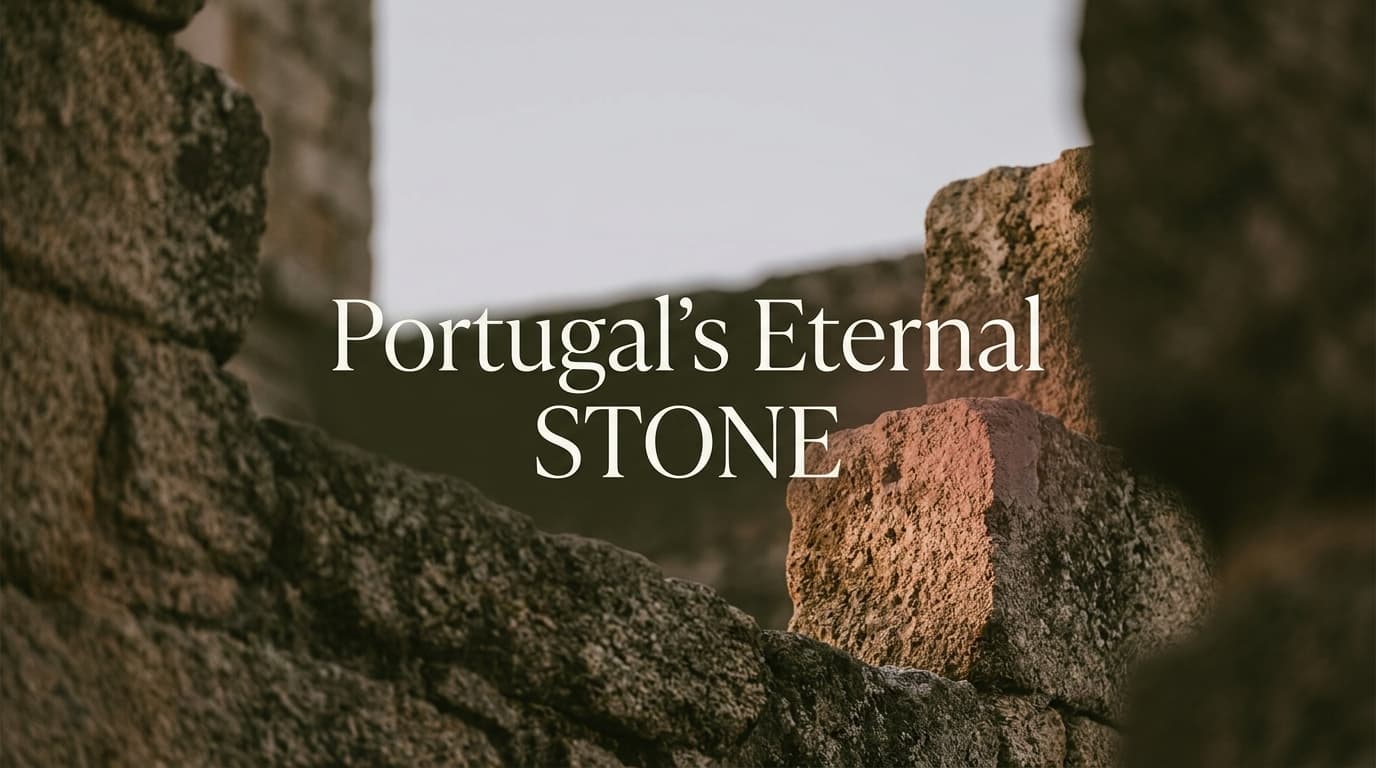
The enduring landscape of Portugal is written in rock, a testament to a culture that has long understood the dialogue between earth and shelter. Portuguese stonemasonry is the art of transforming raw, geological matter into the structural and aesthetic backbone of our most cherished heritage sites. According to the World Monuments Fund (2025), sustainable restoration of historic stone masonry reduces the embodied carbon footprint of building maintenance by 40% compared to modern synthetic alternatives.
At ZION Creative Artisans, we believe that understanding the provenance of our surroundings is the first step toward true luxury travel experiences. By looking closely at the granite of the north or the limestone of the central plains, we uncover the silent history of a land carved by human hands.
What defines the art of Portuguese stonemasonry?
Portuguese stonemasonry is the disciplined practice of shaping natural stone—granite, limestone, or schist—using techniques passed down through generations to create structures that withstand the centuries. It is not merely construction; it is a form of geological storytelling that respects the inherent properties of the material.
The role of the master mason
Unlike modern industrial processes that prioritize speed, the master mason works with the grain of the stone. This requires a deep understanding of geology and a physical intuition for how a block will respond to the chisel.
- Material selection: Identifying the specific density and weathering patterns of local stone.
- Precision carving: Using traditional tools to achieve finishes that machines cannot replicate.
- Structural integrity: Ensuring that dry-stone or lime-mortared walls remain stable for hundreds of years.
True craftsmanship is the bridge between the raw earth and the human experience.
How does stone architecture influence Portuguese identity?
Stone architecture serves as the physical memory of Portugal, grounding the nation’s identity in the permanence of the landscape. From the fortified castles of the borderlands to the intricate manueline carvings of the monasteries, the choice of stone dictates the aesthetic and emotional resonance of a place.
A legacy of resilience
In 2024, a report by the European Heritage Alliance noted that regions prioritizing the preservation of traditional stone structures saw a 25% increase in cultural tourism engagement compared to those relying on modern facade renovations. This suggests that travelers are increasingly seeking the authenticity found in historic stone environments.
Connecting with the past
When we walk through a village built of schist or granite, we are interacting with a legacy of craftsmanship that defines the very texture of the country. This connection is not just visual; it is tactile. The coolness of a stone wall in summer and the thermal mass of a hearth in winter are sensory experiences that modern materials struggle to emulate.
The permanence of stone reminds us that we are merely temporary stewards of these historic spaces.
Why is stone preservation critical for the future?
Preservation is not about freezing time, but about maintaining the viability of our built environment for future generations. As we look toward more sustainable futures, the lessons learned from our dedicated artisans offer a blueprint for low-impact, high-longevity construction.
The sustainability of stone
According to the International Council on Monuments and Sites (2026), the reuse of historic stone components in new construction projects can lower energy consumption by up to 60% compared to producing new materials. Stone is inherently circular, durable, and free from the chemical off-gassing associated with many modern building products.
Integrating tradition and innovation
- Restoration: Cleaning and repairing stone using lime-based mortars that allow the material to breathe.
- Adaptive reuse: Transforming historic stone structures into modern living spaces without compromising their structural essence.
- Education: Training the next generation of masons to ensure these vital skills do not vanish.
Frequently asked questions
What makes Portuguese stonemasonry different from other European styles? Portuguese stonemasonry is uniquely influenced by the country’s diverse geology, ranging from the hard granites of the north to the soft, porous limestones of the central and southern regions. This has led to a distinct regional architectural language that prioritizes thermal efficiency and structural resilience against the Atlantic climate.
How can I experience the history of Portuguese stone architecture? We recommend visiting the historic schist villages in the Lousã mountains or the granite-heavy towns of the Douro Valley. These areas offer an immersive look at how stone has been used for centuries to create homes, bridges, and agricultural terraces that blend seamlessly into the natural environment.
Is stone construction considered sustainable in modern architecture? Yes, stone is one of the most sustainable materials available. It is natural, non-toxic, and possesses incredible thermal mass, which helps regulate indoor temperatures naturally. When sourced locally and maintained correctly, stone structures have a lifespan that far exceeds modern concrete or steel alternatives, minimizing long-term environmental impact.
What tools do traditional Portuguese stonemasons use? Traditional masons use a variety of hand tools, including the mallet, the point chisel, the flat chisel, and the bush hammer. These tools allow for a level of precision and texture that machines cannot achieve, ensuring that each stone is shaped according to its specific grain and structural requirements.
How does ZION Creative Artisans support the preservation of stone heritage? We partner with local master masons and heritage experts to curate experiences that highlight the importance of traditional craftsmanship. By connecting our guests with the people who maintain these historic structures, we promote a deeper appreciation for the artistry and sustainability inherent in Portugal’s built environment.
Honoring the craft
The story of Portugal is carved into every granite lintel and limestone archway. By choosing to value these traditional skills, we ensure that the architectural soul of the country remains vibrant and intact.
We invite you to look closer at the walls around you during your next journey. There is a profound beauty in the patience of the mason, and in the enduring strength of the stone they shape.
About the author
