
The alchemy of Portuguese vineyards: crafting terroir and tradition
Explore how Portuguese vineyards blend terroir and tradition to create wines that embody centuries of heritage and natural artistry.
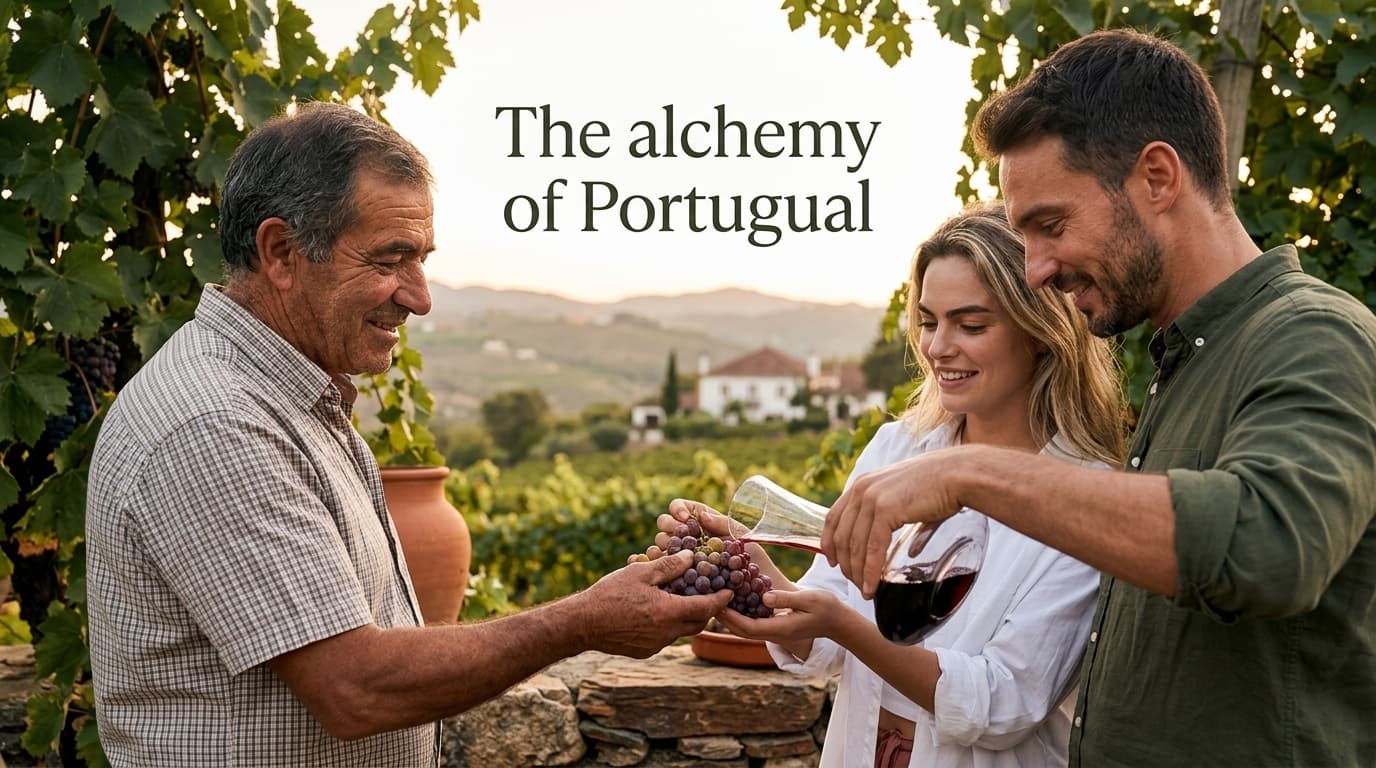
Portuguese vineyards are more than just fields of grapes; they are living legacies of terroir and tradition. According to the International Organisation of Vine and Wine (2025), Portugal ranks sixth worldwide in vineyard area, with over 200,000 hectares dedicated to diverse terroirs that shape its unique wines. This article explores the alchemy behind these vineyards and their role in crafting Portugal’s distinctive wine culture.
What is terroir and why does it matter in Portuguese vineyards?
Terroir is the combination of soil, climate, topography, and human expertise that influences the character of wine. In Portugal, terroir is a defining element, shaping the taste and aroma of wines from regions like Douro, Alentejo, and Dão.
Elements of terroir in Portugal
- Soil diversity: Granite, schist, limestone, and clay soils each impart unique mineral qualities.
- Microclimates: Coastal breezes and inland heat create varied growing conditions.
- Altitude: Vineyards range from sea level to mountainous terraces.
- Traditional practices: Ancient vine training and harvesting methods preserve authenticity.
Terroir is the soul of Portuguese wine — it tells a story of place and time in every bottle.
How do Portuguese winemakers preserve tradition while innovating?
Portuguese winemakers balance respect for heritage with modern techniques to elevate quality without losing identity.
Tradition in practice
- Old vines: Many vineyards use century-old vines, especially in regions like Douro.
- Native grape varieties: Portugal boasts over 250 indigenous grapes, such as Touriga Nacional and Baga.
- Manual harvesting: Handpicking ensures grape integrity.
Innovation in harmony
- Sustainable viticulture: Practices like organic farming and water conservation are rising.
- Technology: Precision viticulture and temperature-controlled fermentation improve consistency.
- International recognition: Portuguese wines are gaining awards, expanding their global reputation.
Tradition and innovation coexist to craft wines that are both authentic and world-class.
What are the key Portuguese wine regions and their signature styles?
Portugal’s wine regions each offer distinct expressions of terroir and tradition.
Notable regions and wines
- Douro: Known for robust reds and Port wine, grown on steep schist terraces.
- Alentejo: Produces rich, full-bodied reds and aromatic whites in warmer plains.
- Dão: Elegant reds with floral notes, grown in granite soils.
- Vinho Verde: Crisp, light whites from the northwest, with refreshing acidity.
- Madeira: Fortified wines with unique aging processes on volcanic islands.
Regional highlights
- Douro’s rugged landscape demands skilled craftsmanship.
- Alentejo’s sun-soaked vineyards yield generous fruit.
- Dão’s cooler climate offers finesse and balance.
Each region is a chapter in Portugal’s diverse wine narrative.
Frequently asked questions
What makes Portuguese vineyards unique compared to other countries? Portuguese vineyards stand out for their vast array of native grape varieties, diverse terroirs, and centuries-old traditions that are still actively preserved alongside modern viticulture techniques.
How does terroir influence the taste of Portuguese wines? Terroir affects soil minerals, climate conditions, and vine health, which together shape the wine’s aroma, flavor profile, and texture, giving each Portuguese wine its distinct regional character.
Are Portuguese wines sustainable? Many Portuguese wineries are adopting sustainable and organic practices, focusing on biodiversity, water conservation, and reduced chemical use to protect the environment and enhance wine quality.
Which Portuguese wine region is best for red wines? The Douro region is renowned for its powerful red wines and Port, while Alentejo offers rich, fruit-forward reds; both are excellent choices for red wine enthusiasts.
Can tourists visit Portuguese vineyards? Yes, many vineyards offer tours and tastings, providing immersive experiences that showcase winemaking traditions and terroir, perfect for discerning travellers seeking authentic encounters.
Embrace the essence of Portuguese vineyards
Portuguese vineyards are a testament to the alchemy of nature, tradition, and human touch. Their terroir tells stories of ancient soils, sunlit slopes, and generations of artisanship. For those seeking a deeper connection to Portugal’s culture, exploring these vineyards offers an unparalleled journey into the heart of its heritage.
Whether savouring a glass of robust Douro red or a crisp Vinho Verde, you taste more than wine — you taste centuries of place and passion. Discover more about the artisans behind these wines and the bespoke experiences that bring Portugal’s terroir to life through The Artisans | ZION Creative Artisans, immerse yourself in unique Experiences | ZION Creative Artisans, and explore the rich Destination | ZION Creative Artisans that frame this vinicultural heritage.
About the author
