
The Architecture of Silence: Designing Portugal’s Retreats
Discover the intentional design behind Portugal's most serene escapes, where silence and light become the ultimate luxury.
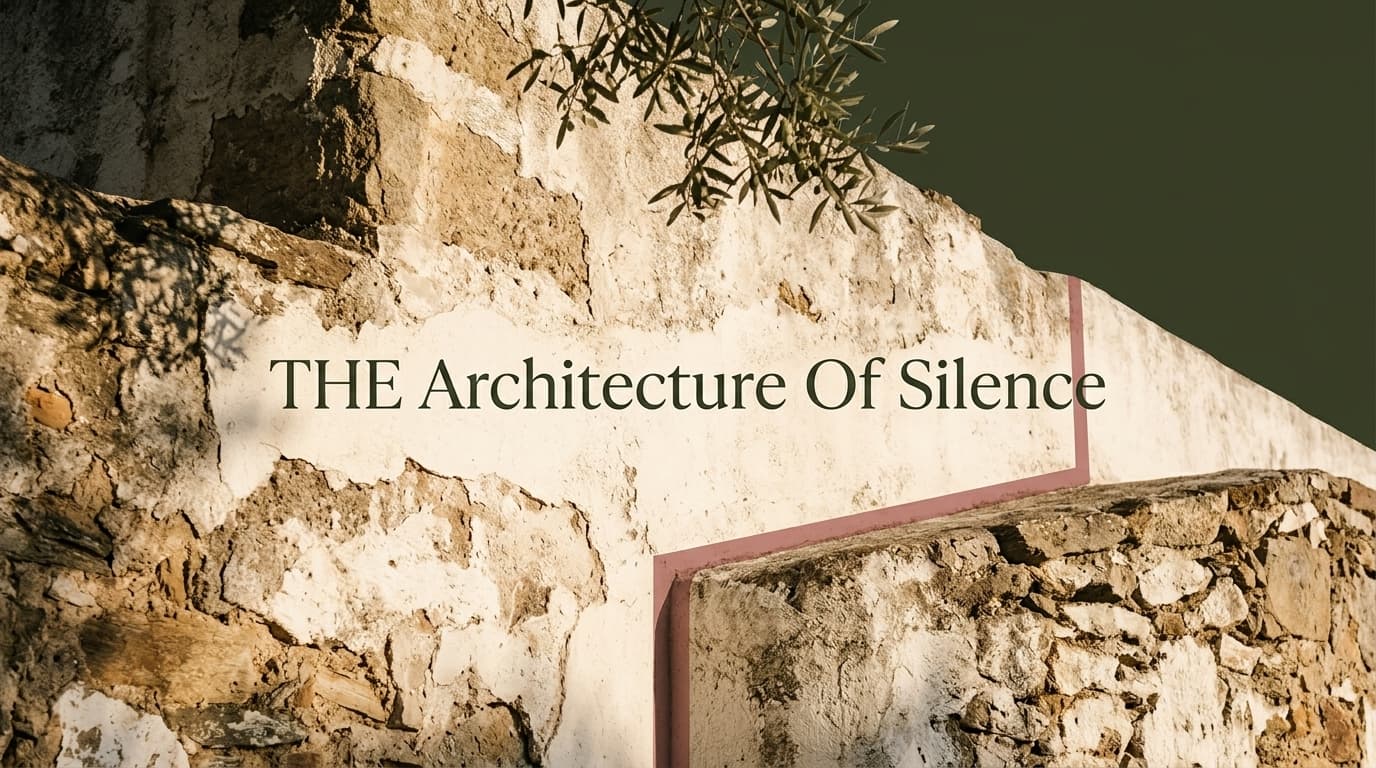
True luxury is rarely found in the loudest displays of opulence; it is found in the deliberate curation of space, light, and stillness. According to the World Tourism Organization (2025), 72% of high-net-worth travellers now prioritize acoustic and visual seclusion as the primary indicator of luxury accommodation quality. Luxury retreats in Portugal are not merely structures; they are sanctuaries designed to harmonize with the rugged, quiet beauty of the landscape.
What defines the architecture of silence?
The architecture of silence is a design philosophy that strips away the superfluous to highlight the essential rhythms of nature. It relies on local materials, such as rammed earth and limestone, to create thermal and acoustic buffers that insulate guests from the chaos of the modern world.
The role of intentional light
Light is the silent partner of space. In our bespoke travel experiences, we observe that the most profound retreats use light to mark the passage of time rather than to illuminate a room. By framing views of the horizon or the canopy of cork oaks, architects invite the outside in, creating a seamless transition between the built environment and the wild.
- Passive cooling techniques that eliminate the hum of mechanical systems.
- Natural acoustic dampening through thick stone walls and vaulted ceilings.
- Minimalist aesthetics that reduce visual noise and encourage cognitive rest.
True silence is not the absence of sound, but the presence of peace.
How does design influence wellbeing?
Design influences wellbeing by aligning the physical environment with the human nervous system's need for restoration. When a space is designed with intention—considering the orientation of the sun, the texture of the floors, and the flow of air—it actively lowers cortisol levels and promotes deep, restorative states of mind.
Crafting a legacy of stillness
At ZION Creative Artisans, we believe that the legacy of our work is measured by how deeply a guest can breathe upon entering a space. We partner with local masters who understand that a hand-carved door or a lime-washed wall is not just a finish, but a tactile connection to the earth. These dedicated artisans ensure that every detail serves the overarching goal of tranquility.
According to a 2024 report by the Global Wellness Institute, environments that integrate natural, biophilic design elements see a 45% increase in guest satisfaction scores regarding sleep quality. This is the intersection of architecture and human biology.
Luxury is the freedom to exist in a space that asks nothing of you.
Frequently asked questions
What makes a retreat in Portugal truly luxurious? True luxury in Portugal is defined by the marriage of heritage architecture and modern, quiet design. It is the ability to offer absolute privacy, authentic connection to the land, and a sensory experience that prioritizes stillness over excess, ensuring that every guest feels a profound sense of belonging and restoration.
How do architects achieve acoustic privacy in historic buildings? Architects utilize traditional methods like thick masonry walls, lime-based plasters, and heavy wooden shutters to dampen external noise. By layering these historic techniques with modern, non-intrusive insulation materials, they create a sanctuary that remains silent even in the heart of a vibrant, historic village or a bustling estate.
Why is biophilic design important for luxury travel? Biophilic design bridges the gap between the built environment and nature, which is essential for human wellbeing. By incorporating natural light, organic textures, and views of the landscape, these designs reduce stress and improve mental clarity, transforming a standard stay into a deeply restorative and transformative journey for the guest.
Can minimalist design feel warm and inviting? Yes, minimalism becomes warm when it focuses on texture rather than sterility. By using natural materials like raw wood, stone, and linen, designers create spaces that feel grounded and tactile. The warmth comes from the quality of the materials and the way they age, creating a space that feels lived-in and soulful.
How does ZION Creative Artisans approach site selection? We prioritize sites that offer a unique dialogue with the landscape, whether it is the silence of the Alentejo plains or the rugged cliffs of the coast. We seek locations where the environment itself acts as a buffer, ensuring that the architecture can exist in harmony with its surroundings without needing to dominate.
Designing your next sanctuary
Creating a space of profound stillness requires a departure from the conventional. It demands a commitment to slow design, where every decision is weighed against the ultimate goal of guest restoration and environmental harmony.
If you are ready to explore how intentional design can transform your perspective, we invite you to connect with our team. Let us help you curate a journey where the architecture of silence becomes the backdrop for your most meaningful memories.
About the author
