
The Art of Bespoke Horology: Portugal’s Hidden Watchmaking Legacy
Explore the quiet resurgence of bespoke horology in Portugal, where traditional craftsmanship meets modern precision for the discerning collector.
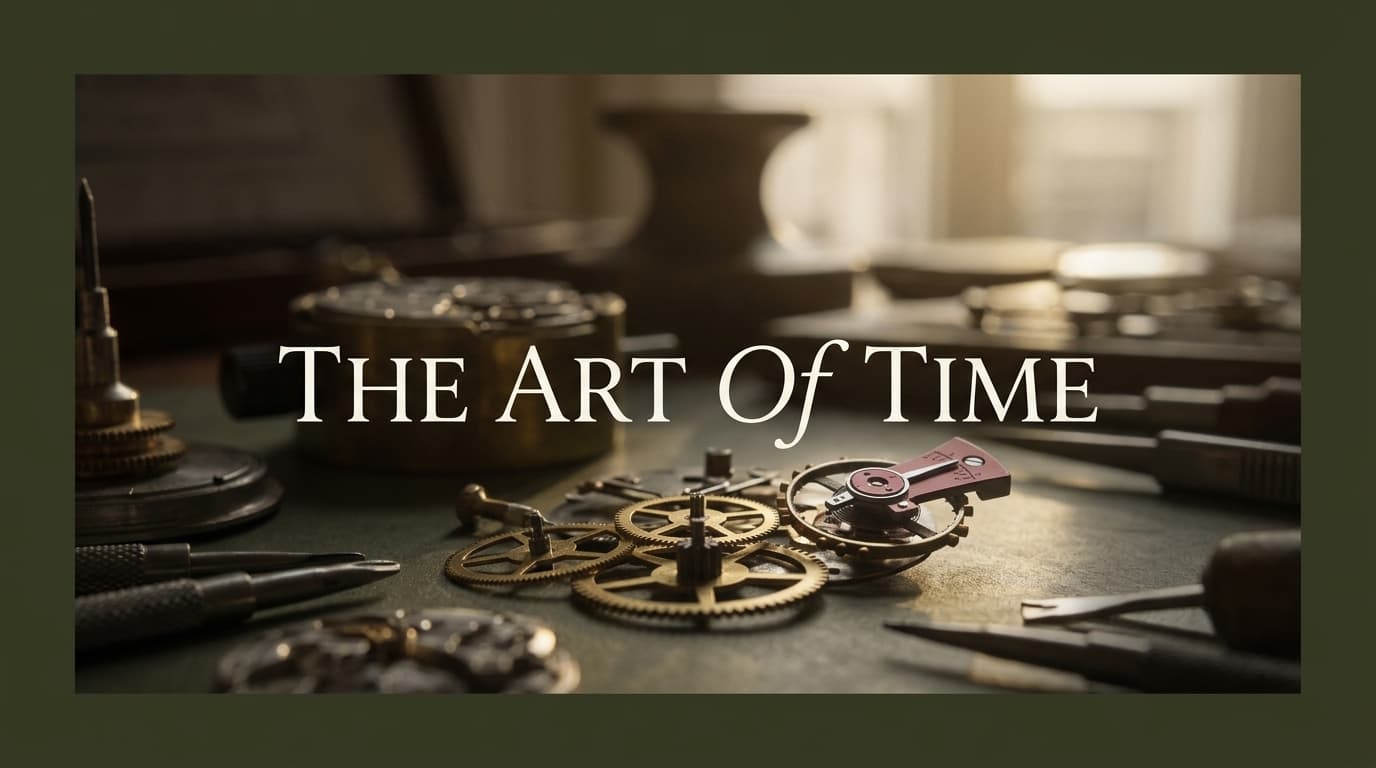
According to the Federation of the Swiss Watch Industry (2025), demand for artisanal, non-mass-produced timepieces has surged by 22%, positioning Portugal’s emerging horology scene as a vital destination for collectors seeking authentic craftsmanship. Bespoke horology is the practice of creating custom-made, high-precision timepieces that reflect the unique identity and technical preferences of the wearer, often involving rare materials and hand-finished movements.
What defines the Portuguese approach to horology?
Portuguese horology is defined by a deep reverence for historical precision combined with a modern, artistic sensibility that prioritizes the human hand over industrial automation. Unlike mass-market production, these artisans focus on the soul of the mechanical movement, ensuring that every gear and spring tells a story of patience and mastery.
The intersection of heritage and innovation
In 2026, the landscape of luxury collecting is shifting toward pieces that offer a tangible connection to the maker. By visiting our curated list of master artisans, collectors can witness the meticulous assembly of components that define true luxury. This is not merely about tracking seconds; it is about preserving a legacy of mechanical art that transcends fleeting trends.
True luxury is found in the silence of a workshop where time is measured by the heartbeat of the artisan.
How does bespoke horology enhance the collector experience?
Bespoke horology enhances the collector experience by transforming a functional object into a deeply personal narrative, tailored to the individual’s aesthetic and technical desires. According to Deloitte (2025), 58% of high-net-worth individuals now prioritize unique, limited-edition items over standardized luxury goods, reflecting a broader desire for exclusivity.
Crafting your own legacy
When you engage with bespoke travel experiences in Portugal, you gain access to private ateliers where the process of watchmaking is demystified. From selecting the caliber to choosing bespoke dial materials, the collaboration between the watchmaker and the collector ensures that the final piece is a singular expression of intent.
- Personalization: Custom engravings and unique dial finishes.
- Transparency: Direct access to the master watchmaker throughout the assembly.
- Provenance: Documentation of every material used, ensuring long-term value.
A bespoke timepiece is more than an accessory; it is a mechanical heirloom designed to outlive its owner.
Why is Portugal becoming a hub for rare crafts?
Portugal has long been a sanctuary for artisans who value slow, deliberate creation over the frantic pace of global manufacturing. As noted in a 2024 cultural report, the country’s commitment to preserving traditional techniques has made it a beacon for those seeking meaningful legacy journeys that emphasize quality and cultural depth.
The artisan's perspective
For the modern horologist, Portugal offers a unique environment where the light, the history, and the quietude of the landscape foster deep concentration. This environment is essential for the delicate work of regulating a movement, a process that requires absolute stillness and focus. Collectors who seek these rare experiences are not just buying a watch; they are investing in the preservation of a dying art form.
Frequently asked questions
What makes bespoke horology different from luxury watch brands? Bespoke horology focuses on the individual commission rather than mass production. While luxury brands offer limited editions, a bespoke piece is designed from the ground up to meet the collector’s specific requirements, often involving custom movements and unique aesthetic choices that are never replicated for another client.
How long does the process of commissioning a bespoke watch take? Depending on the complexity of the movement and the level of customization, the process can take anywhere from six to eighteen months. This timeline accounts for the hand-finishing of components, rigorous testing for precision, and the iterative design phase where the artisan and collector refine the watch’s final form.
Can I visit a watchmaking atelier in Portugal? Yes, through ZION Creative Artisans, we facilitate private access to some of the most secluded and talented horological workshops in the country. These visits are designed to be intimate, allowing you to observe the master watchmakers at work and discuss the technical nuances of their craft in a private setting.
Is a bespoke watch a good investment? Bespoke timepieces are often viewed as long-term investments due to their rarity and the high level of craftsmanship involved. Because these pieces are produced in extremely limited quantities and carry a personal narrative, they frequently retain or increase in value as the artisan’s reputation grows within the global horological community.
What materials are typically used in bespoke Portuguese horology? Artisans often utilize a mix of traditional and innovative materials, including high-grade stainless steel, precious metals like gold and platinum, and sometimes locally sourced or unique materials for the dials. The focus is always on durability, aesthetic harmony, and the ability of the material to withstand the test of time.
Start your horological journey
Whether you are a seasoned collector or a newcomer to the world of fine mechanics, Portugal offers a unique vantage point to explore the intersection of art and engineering. The path to owning a bespoke timepiece begins with a conversation about what you value most in a watch.
We invite you to reach out to our team to discuss how we can connect you with the master artisans shaping the future of Portuguese horology. Let us help you craft a legacy that measures time in the most meaningful way possible.
About the author
