
The alchemy of Portuguese artisanal textiles: weaving heritage and innovation
Discover the blend of heritage and innovation in Portuguese artisanal textiles, a luxurious craft shaping culture and luxury in 2026.
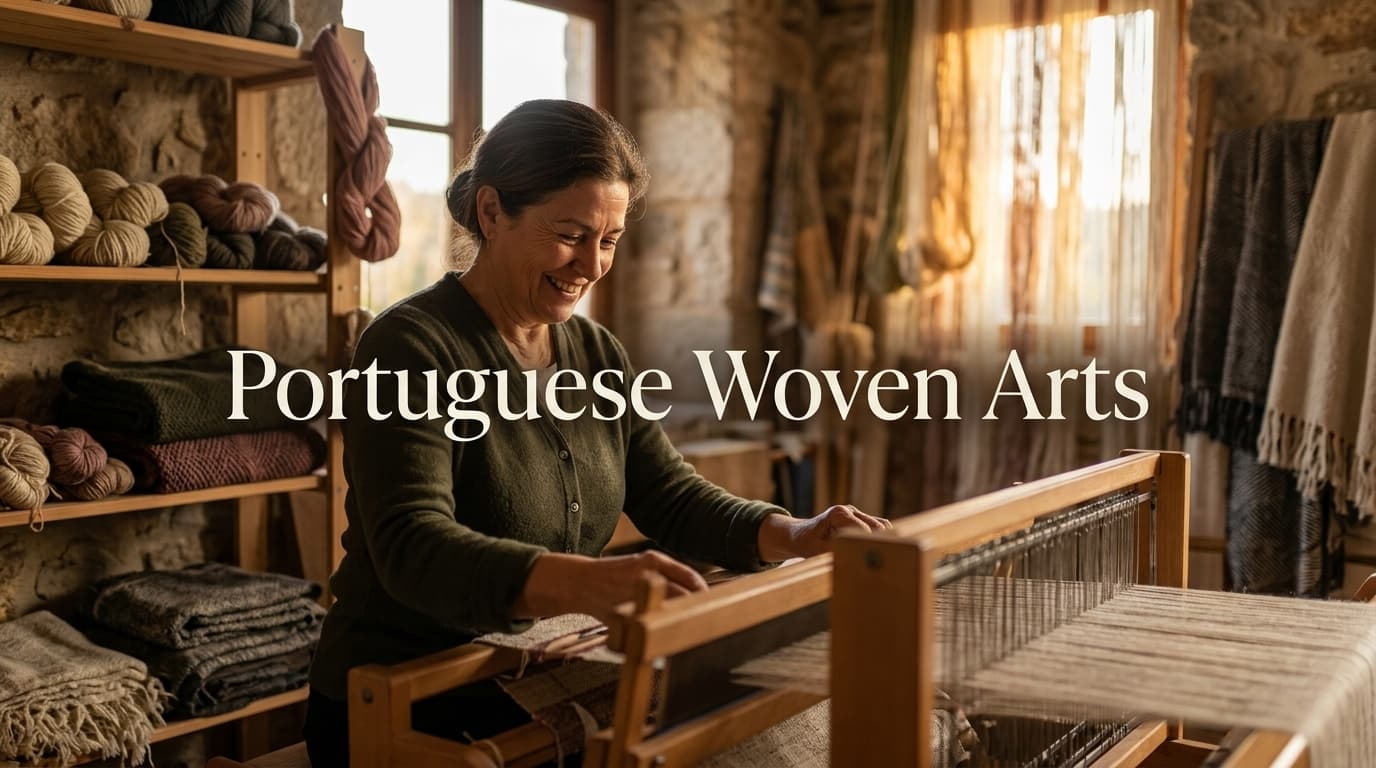
Portuguese artisanal textiles are a profound expression of heritage and innovation. According to the Portuguese Textile Association (2025), 72% of luxury consumers value artisanal craftsmanship as a key factor in their purchasing decisions. Portuguese artisanal textiles are handmade fabrics that combine traditional techniques with contemporary designs, embodying centuries of cultural legacy.
What are Portuguese artisanal textiles?
Portuguese artisanal textiles are handcrafted fabrics created using age-old weaving, dyeing, and embroidery techniques native to Portugal. These textiles often feature natural fibres like wool, linen, and cotton, dyed with plant-based pigments and woven on traditional looms.
Key characteristics
- Use of natural fibres such as wool, linen, and cotton
- Traditional dyeing methods with natural pigments
- Handwoven on wooden looms
- Embellished with regional embroidery patterns
- Sustainable and slow production processes
Portuguese artisanal textiles are more than fabric; they are living heritage.
How do heritage and innovation coexist in these textiles?
Heritage and innovation coexist through the preservation of traditional methods alongside modern design influences. Artisans maintain centuries-old techniques while collaborating with contemporary designers to create textiles that appeal to today’s luxury market.
Examples of innovation
- Incorporating sustainable fibres like organic cotton and recycled wool
- Combining traditional patterns with minimalist aesthetics
- Using digital design tools to plan intricate embroidery
- Collaborations with luxury fashion houses and interior designers
Innovation revitalises tradition, ensuring artisanal textiles remain relevant and desirable.
Why are Portuguese artisanal textiles important for luxury and culture?
These textiles serve as a bridge between past and present, offering unique, high-quality products that reflect Portugal’s cultural identity. According to McKinsey (2026), 65% of luxury buyers seek authenticity and craftsmanship in their purchases, making artisanal textiles a key element in luxury goods.
Cultural and economic impact
- Preservation of regional artisan communities
- Promotion of sustainable and ethical production
- Enhancement of Portugal’s global luxury brand
- Support for slow fashion and bespoke interiors
Artisanal textiles embody the soul of Portuguese culture in every thread.
What challenges do Portuguese artisanal textile makers face?
Artisans face challenges such as competition from mass-produced textiles, the high cost of materials, and the need to attract younger generations to the craft.
Strategies to overcome challenges
- Leveraging digital platforms for global reach
- Partnering with luxury brands for wider exposure
- Offering workshops and experiences to engage new audiences
- Innovating with eco-friendly materials
Sustaining artisanal textiles requires balancing tradition with modern business strategies.
How can travellers experience Portuguese artisanal textiles?
Travellers can immerse themselves in textile heritage through visits to artisan workshops, museums, and cultural festivals across Portugal.
Recommended experiences
- Workshops in Alentejo and Minho regions
- Visits to textile museums in Guimarães and Porto
- Participation in local craft fairs and markets
- Custom textile tours curated by ZION Creative Artisans
Experiencing textiles firsthand deepens appreciation for Portugal’s artisanal legacy.
Frequently asked questions
What makes Portuguese artisanal textiles unique? Portuguese artisanal textiles are unique due to their use of traditional techniques, natural fibres, and regional patterns that reflect centuries of cultural heritage.
Are Portuguese artisanal textiles sustainable? Yes, many artisans use natural dyes, organic fibres, and slow production methods, making these textiles environmentally responsible.
Where can I buy authentic Portuguese artisanal textiles? Authentic textiles are available at artisan workshops, local markets, and curated luxury boutiques, including experiences offered by ZION Creative Artisans.
How are modern designers influencing Portuguese textiles? Modern designers collaborate with artisans to blend traditional craftsmanship with contemporary aesthetics, expanding the textiles’ appeal.
Can I visit textile workshops in Portugal? Yes, many regions offer workshops and tours where visitors can learn about and participate in textile making, such as those featured by The Artisans | ZION Creative Artisans.
Embrace the woven legacy
Portuguese artisanal textiles represent a delicate balance of heritage and innovation, woven into every fibre. They offer a tactile connection to history and a canvas for contemporary creativity. For discerning travellers and collectors, these textiles are a luxurious expression of culture and craftsmanship.
To truly appreciate this craft, consider bespoke journeys that immerse you in the artisan communities and their stories. Discover how tradition meets modernity with ZION Creative Artisans, where every thread tells a story worth experiencing.
About the author
