
The Alchemy of Portuguese Tile Art: Crafting Stories in Azulejos
Explore the heritage of Portuguese azulejos, a tile art that weaves history and craftsmanship into Portugal’s architectural soul.
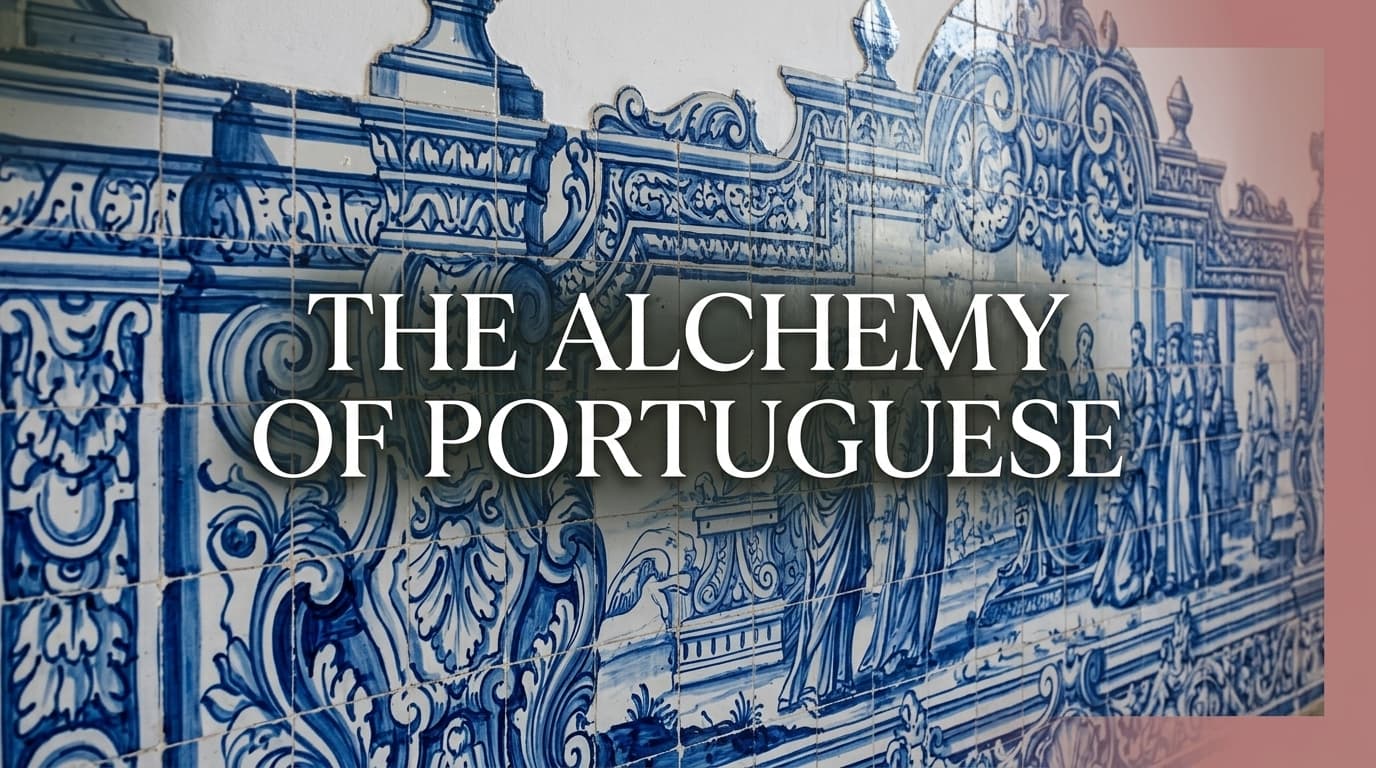
Portuguese azulejos are more than decorative tiles; they are a living narrative of Portugal’s history and culture. According to the Instituto dos Azulejos (2025), over 75% of Portugal’s historic buildings feature these handcrafted tiles, making azulejos a defining element of Portuguese identity. Portuguese azulejos are glazed ceramic tiles known for their intricate patterns and vivid colours, telling stories that span centuries.
What is the history behind Portuguese azulejos?
Portuguese azulejos originated in the 15th century, influenced by Moorish tile work and evolving into a unique art form that blends Islamic, Renaissance, and Baroque styles. These tiles have been used to adorn churches, palaces, and public spaces, serving both decorative and narrative purposes.
Evolution of azulejo styles
- Moorish geometric patterns: Early azulejos featured complex, repeating geometric shapes.
- Renaissance influence: Introduction of figurative scenes and mythological themes.
- Baroque and Rococo: Flourishing of colourful, elaborate designs.
Azulejos are Portugal’s visual history book, etched in ceramic.
How are Portuguese azulejos crafted?
The making of azulejos is a meticulous process combining artistry and technical skill. Artisans start with hand-cut clay tiles, which are then coated with a tin glaze to create a white, opaque surface. Artists paint designs using mineral-based pigments before firing the tiles at high temperatures.
Key steps in azulejo production
- Preparing the clay base
- Applying the tin glaze
- Hand-painting designs
- Firing in a kiln
- Assembling tiles into panels
According to the Associação Portuguesa de Artesãos (2024), traditional azulejo workshops still rely on manual techniques, preserving centuries-old methods.
Each tile is a brushstroke in Portugal’s cultural mosaic.
Why do azulejos matter in contemporary Portugal?
Azulejos continue to be a vibrant part of Portugal’s cultural and architectural landscape. Beyond heritage preservation, modern artists and designers reinterpret azulejo motifs in new contexts, from urban murals to luxury interiors.
Contemporary significance
- Cultural identity and tourism draw
- Educational value in art and history
- Inspiration for modern design and craftsmanship
According to Turismo de Portugal (2026), cultural tourism linked to azulejos has grown by 22% in the last three years, reflecting renewed global interest.
Azulejos bridge past and present, tradition and innovation.
How can travellers experience authentic azulejo art?
Visitors to Portugal can explore azulejo heritage through museums, artisan studios, and historic sites. The National Tile Museum in Lisbon offers an extensive collection and workshops. Local artisans, especially in cities like Porto and Aveiro, invite travellers to witness tile-making firsthand.
Recommended azulejo experiences
- National Tile Museum, Lisbon
- Azulejo workshops in Porto
- Historic azulejo panels in churches and palaces
Engaging with azulejos offers a tactile connection to Portugal’s soul, beyond the usual tourist paths.
For those seeking deeper immersion, ZION Creative Artisans curates bespoke journeys that include private visits to artisan studios and expert-led tours of azulejo landmarks, blending craftsmanship with cultural storytelling.
Frequently asked questions
What does the word 'azulejo' mean? The term 'azulejo' comes from the Arabic 'al-zulayj', meaning 'polished stone'. It reflects the Moorish influence on this Portuguese tile art, which evolved into a unique cultural expression.
Are all azulejos hand-painted? Traditional azulejos are hand-painted by skilled artisans, but modern production may include machine-made tiles. Authenticity is often linked to the hand-crafted process.
Where can I buy authentic Portuguese azulejos? Authentic azulejos can be purchased from artisan workshops in Lisbon, Porto, and other regions. Look for pieces made with traditional techniques to ensure quality and heritage.
How do azulejos contribute to sustainability? Azulejos are durable and long-lasting, reducing the need for replacement. Many artisans use natural pigments and sustainable clay sources, supporting eco-friendly craftsmanship.
Can I visit azulejo workshops in Portugal? Yes, many workshops welcome visitors for tours and hands-on experiences, providing insight into the craft and its cultural importance.
Embrace Portugal’s tile heritage
Portuguese azulejos are a testament to the country’s rich cultural tapestry, blending art, history, and craftsmanship in every tile. Exploring this heritage offers travellers a deeper understanding of Portugal’s identity beyond its landscapes and cuisine.
At ZION Creative Artisans, we invite you to discover azulejos not just as decorative elements but as storytellers of Portugal’s soul. Embark on a journey that reveals the hands and hearts behind the tiles, and the timeless stories they preserve.
Begin your bespoke experience with us and connect with the artisans who keep this heritage alive in the most authentic way. Dive into the world of azulejos and let each tile narrate a chapter of Portugal’s enduring legacy.
To explore more about the artisans and experiences that shape Portugal’s cultural fabric, visit The Artisans, discover unique Experiences, and plan your journey through our curated Destination offerings.
About the author
