
The transformative power of artisanal textiles in luxury travel
Explore how artisanal textiles elevate luxury travel by offering authentic cultural connections and unique sensory experiences.
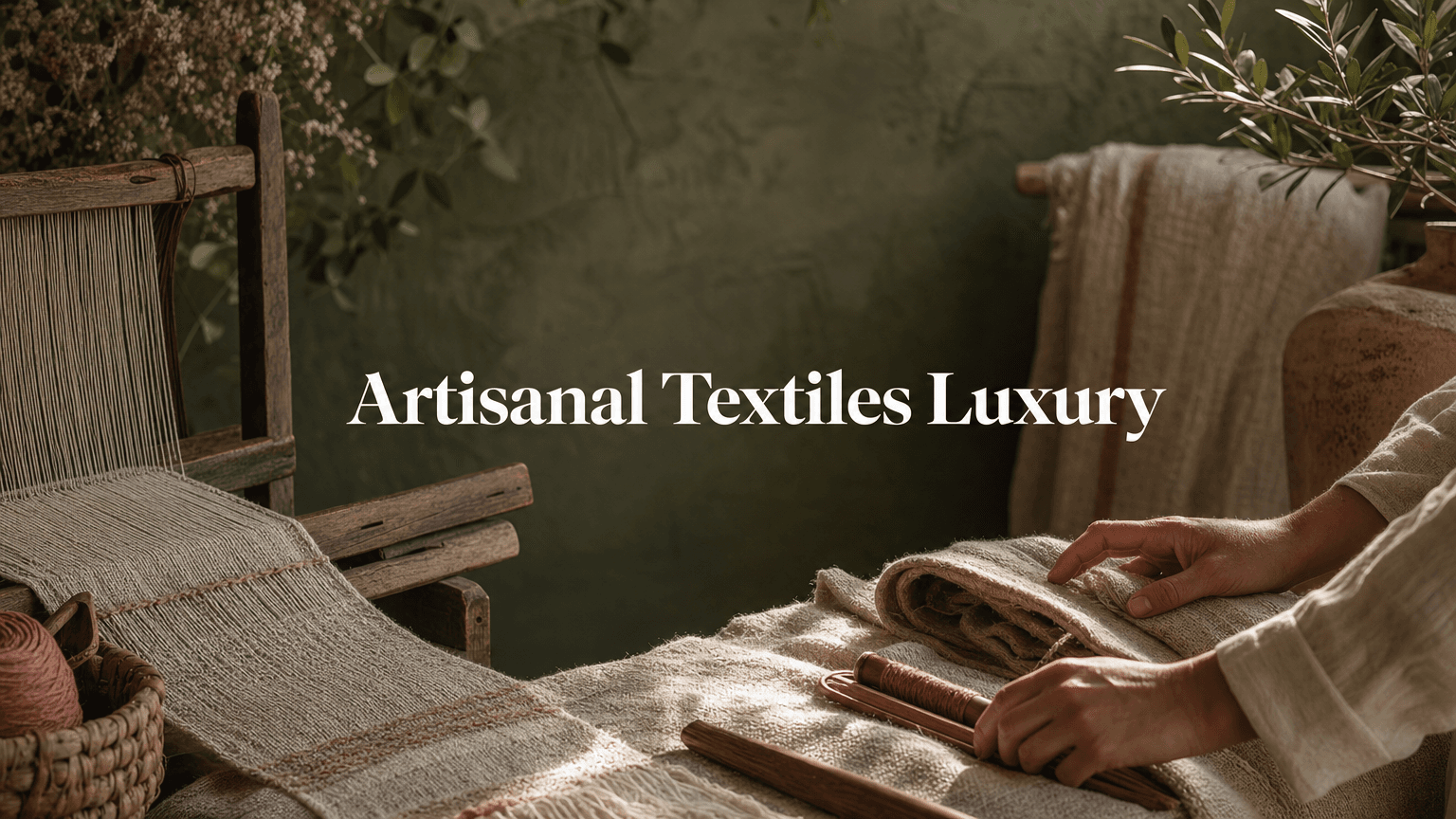
Artisanal textiles luxury travel is reshaping how discerning travelers experience culture and craftsmanship. Artisanal textiles are handcrafted fabrics made using traditional techniques, often reflecting local heritage and artistry. According to McKinsey (2025), 72% of luxury travelers seek authentic artisanal experiences that connect them to local culture.
What are artisanal textiles and why do they matter in luxury travel?
Artisanal textiles are fabrics created by skilled artisans using age-old methods such as weaving, dyeing, and embroidery. These textiles embody cultural narratives and craftsmanship that mass-produced goods cannot replicate. In luxury travel, they offer a tactile gateway to a destination’s soul, enriching the traveler’s sensory and emotional journey.
Key characteristics of artisanal textiles:
- Handwoven or hand-embroidered techniques
- Use of natural fibers like wool, silk, or linen
- Traditional dyeing methods such as indigo or cochineal
- Patterns and motifs unique to a region’s heritage
Artisanal textiles are more than fabric; they are living stories woven by hands steeped in tradition.
How do artisanal textiles enhance the luxury travel experience?
Artisanal textiles create a multi-sensory connection between traveler and place. They appear in bespoke interiors, exclusive fashion, and curated souvenirs, elevating the authenticity and intimacy of luxury journeys. According to Euromonitor (2024), 65% of luxury consumers value products with a clear artisanal origin.
Ways artisanal textiles enrich travel:
- Cultural immersion: Wearing or using local textiles fosters a deeper understanding of the community’s heritage.
- Sustainability: Handcrafted textiles often use eco-friendly materials and processes.
- Exclusivity: Each piece is unique, offering travelers one-of-a-kind keepsakes.
- Wellbeing: Natural fibers provide comfort and sensory pleasure, enhancing relaxation.
Luxury travel is evolving from mere sightseeing to meaningful, tactile engagement with culture.
What are the leading regions and artisans shaping this trend in Portugal?
Portugal’s rich textile heritage spans centuries, with regions like Alentejo, Minho, and Madeira renowned for their distinctive fabrics. Artisans such as the Bordado de Castelo Branco embroiderers and the Arraiolos rug makers continue to preserve and innovate traditional crafts.
Notable Portuguese artisanal textiles:
- Bordado de Castelo Branco: intricate whitework embroidery
- Arraiolos rugs: hand-stitched wool rugs with Moorish patterns
- Madeira embroidery: delicate needlework on fine linens
- Alentejo wool weaving: natural-dyed wool fabrics
According to the Portuguese Institute of Crafts (2025), artisanal textile exports have grown by 18% annually, reflecting rising global demand.
Portugal is a living atelier where heritage textiles meet contemporary luxury.
How can travelers engage authentically with artisanal textiles during their journeys?
Engagement goes beyond purchasing; it involves witnessing the craft, learning its history, and sometimes participating. Luxury travelers can visit artisan workshops, attend private demonstrations, or commission bespoke pieces.
Ways to engage:
- Book guided visits to artisan studios
- Participate in hands-on weaving or embroidery workshops
- Commission custom textiles for personal use or gifts
- Explore curated collections in boutique galleries
Authentic engagement transforms souvenirs into legacies.
Frequently asked questions
What defines artisanal textiles compared to regular fabrics? Artisanal textiles are handcrafted using traditional methods, often reflecting cultural heritage and unique regional techniques, unlike mass-produced fabrics.
Why are artisanal textiles important for luxury travelers? They offer authentic cultural connections, exclusivity, and sustainability, enriching the travel experience beyond visual sightseeing.
Where can I find authentic Portuguese artisanal textiles? Regions like Alentejo, Minho, and Madeira are renowned for their textile crafts, with many artisan studios open to visitors.
Can I learn to make artisanal textiles while traveling? Yes, many workshops offer immersive experiences where travelers can learn weaving, dyeing, or embroidery firsthand.
How do artisanal textiles contribute to sustainable travel? They often use natural fibers and eco-friendly processes, supporting local economies and preserving cultural heritage.
Embrace artisanal textiles for a richer journey
Luxury travel is no longer just about destinations but about the stories woven into every experience. Artisanal textiles offer a tactile and emotional bridge to Portugal’s rich cultural tapestry, inviting travelers to connect deeply and authentically.
By seeking out these handcrafted treasures and engaging with the artisans behind them, you transform your journey into a legacy of meaningful discovery. Explore the world of artisanal textiles and let your travels be defined by the textures of tradition and the art of craftsmanship.
Discover how to integrate these experiences into your bespoke itinerary by exploring the artisans, curated experiences, and the unique destination offerings of ZION Creative Artisans.
About the author
